
Khun Chang Khian Village Beyond the Pink Blossoms
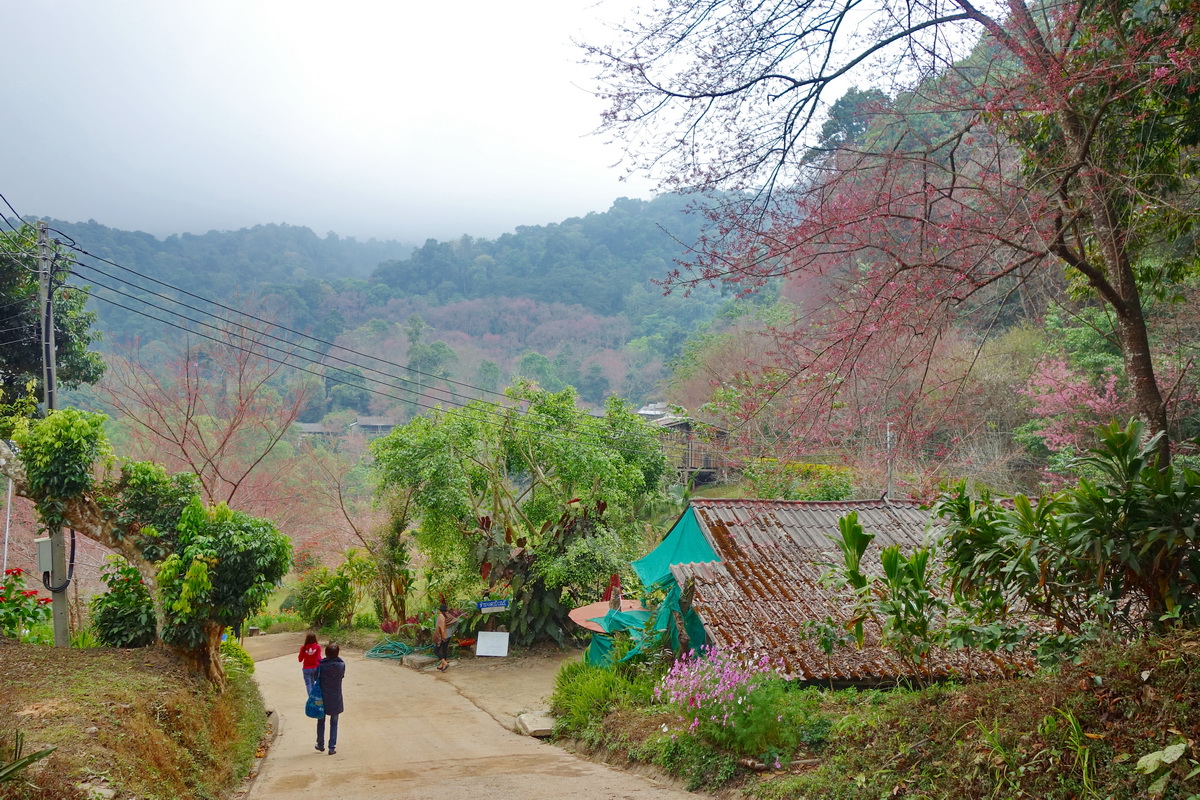
Meet a White Hmong mountain community where agriculture, seasonal color, and respectful travel share the same landscape.
A Mountain Route with a Human Story
Follow the road beyond Chiang Mai’s famous temple zone and the mountain atmosphere begins to change. Forested bends replace city streets, the air feels cooler, and small signs of highland agriculture appear between the trees. Khun Chang Khian Village sits along the Doi Suthep–Doi Pui route in Mueang Chiang Mai, combining a living White Hmong community, a university highland research station, and seasonal mountain scenery. The result is not simply a flower stop, but a place where culture, farming, landscape, and tourism meet in one compact destination.
White Hmong Roots in the Highlands
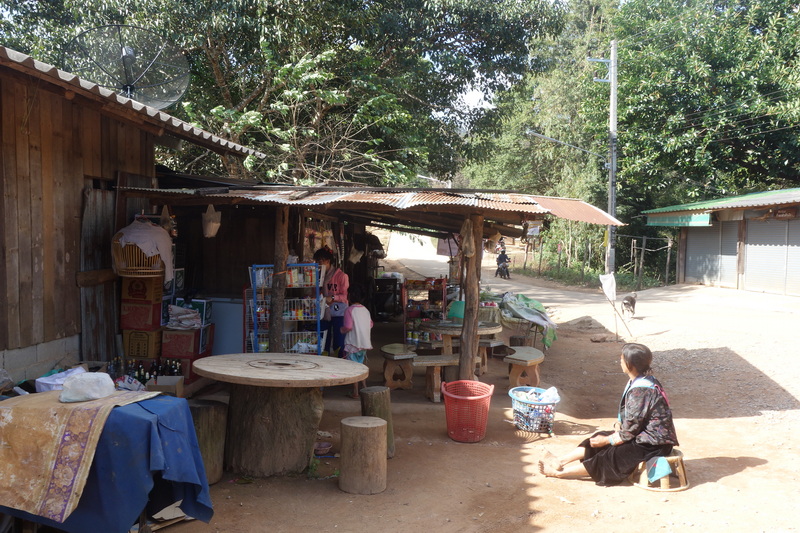
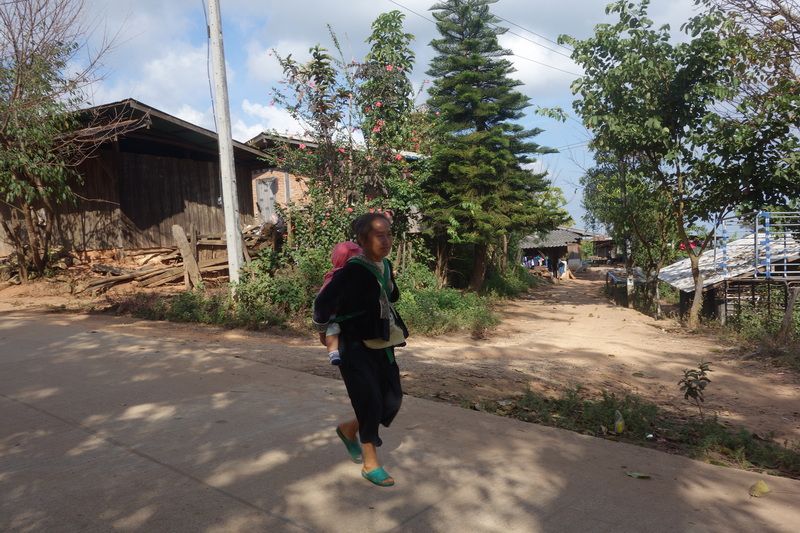
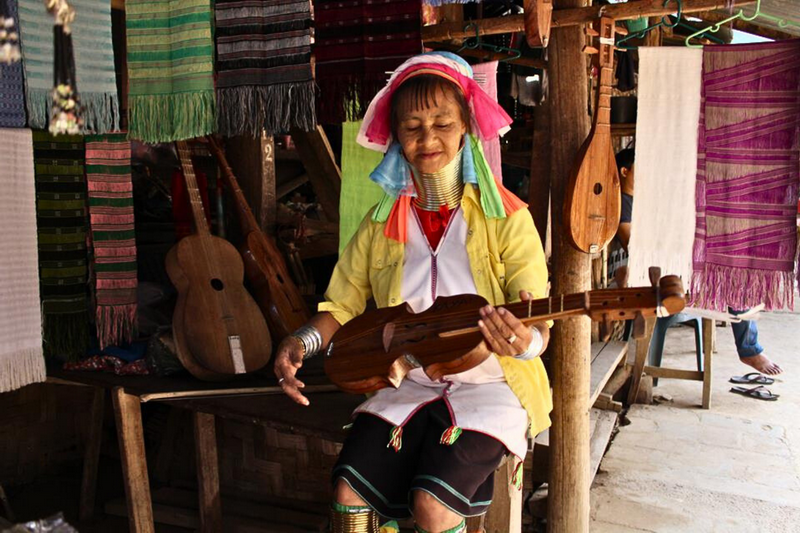
The most rewarding way to understand the village is to begin with its residents rather than its blossoms. Chiang Mai University’s Doi Suthep Nature Center records that Hmong families moved from Doi Pui and gradually formed the community during the 1960s, with White Hmong families becoming central to its identity. That local story adds useful depth to any Hmong Village Guide: visitors are entering a settled neighborhood shaped by kinship, farming, ceremonies, and adaptation, not an outdoor museum created for tourists.
Look Beyond a Single Ethnic Label
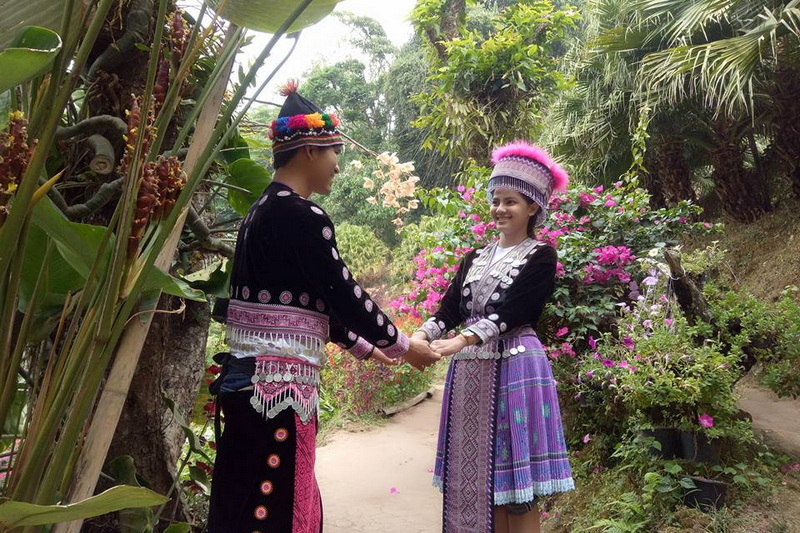
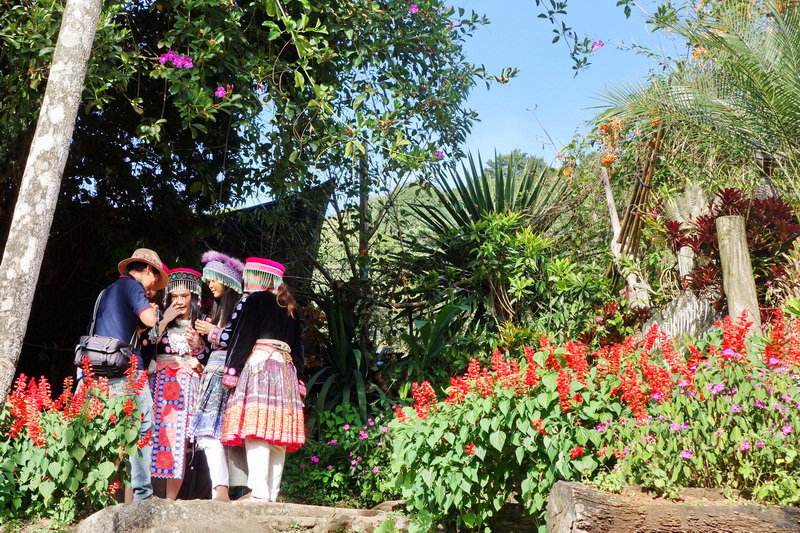
This community also offers a grounded way to think about the Hill Tribes of Northern Thailand. Ethnic labels can become oversimplified when travel writing treats every mountain village as interchangeable. Here, the more respectful approach is to notice the specific local history: families came from nearby Doi Pui, organized a community, maintained Hmong identity, and developed new livelihoods over time. Ask before photographing people, avoid turning traditional dress into a costume joke, and let residents decide how they wish to present their culture.
Farming as a Living Chapter
Highland farming explains much of the village’s modern character. CMU sources describe the research station’s work with coffee, temperate fruit, vegetables, and other highland crops, while the community history notes the distribution of coffee seedlings in the 1970s. Today, coffee, lychee, strawberries, and other produce are part of the area’s agricultural identity. A cup of locally grown Arabica or a purchase from a community stall, when available, therefore connects the visitor experience with a longer story of research, livelihood change, and mountain agriculture.
Pink Season with No Fixed Date
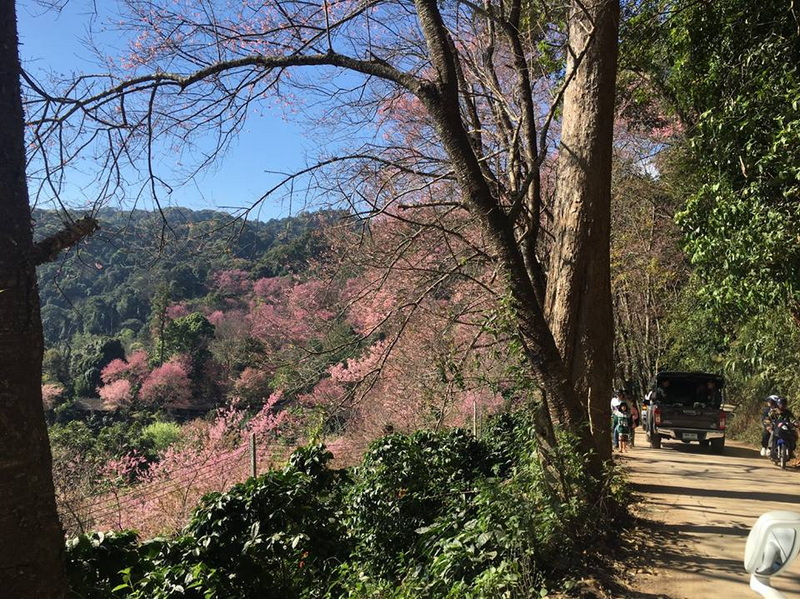
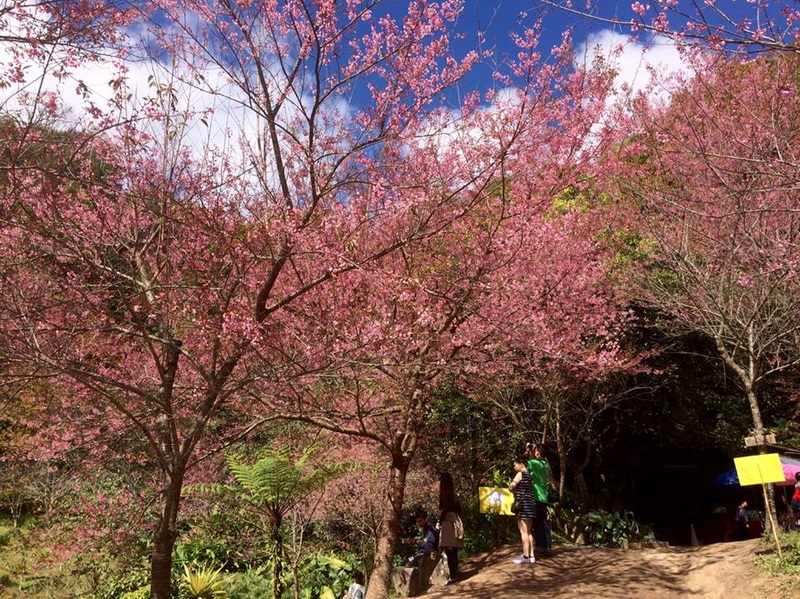
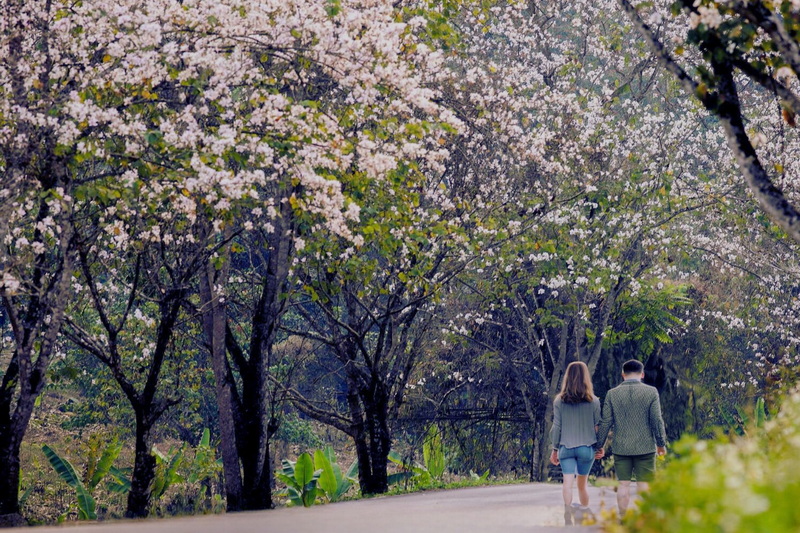
Pink flowers bring the largest seasonal spotlight. The trees are nang phaya suea khrong, commonly described as wild Himalayan cherry or “Thai sakura,” and the research station is a well-known viewing area on this mountain route. For visitors researching Wild Himalayan Cherry Chiang Mai, the cool season is the broad planning period, but flowering can shift with weather. Treat January and February as a general travel window rather than a guarantee, and check recent local updates before making blossoms the only purpose of the journey.
What to Notice Beyond the Flowers
Even without full bloom, the visit can be engaging. Walk slowly through permitted public areas, observe how homes and cultivated slopes fit the terrain, look for coffee and fruit growing around the highlands, and spend time at the research station where access is allowed. Among Chiang Mai Mountain Villages, this stop is especially useful for travelers interested in the relationship between community life and agricultural development. Photography works best when it includes landscape, crops, textures, and everyday details instead of focusing only on posed portraits.
Visit as a Guest
Responsible travel here is simple but important. Keep voices low near homes, stay off private plots, do not pick flowers or climb trees for photographs, and carry litter back down the mountain. Request permission before close-up images of residents, especially children. Spending modestly on locally produced coffee, fruit, or other locally offered products can support community businesses, but buy because the item has value to you, not as payment for access to someone’s private life. The village deserves the same courtesy you would expect in your own neighborhood.
Plan the Mountain Route Carefully
Plan the outing as a flexible mountain excursion rather than a tightly timed city stop. Suthep – Pui National Park covers a broad landscape that includes Doi Suthep and Doi Pui, and the route continues beyond the better-known temple area. The final approach can involve narrow mountain roads, changing surface conditions, and heavier seasonal traffic, so a driver familiar with the route is a sensible choice. Bring a light layer, drinking water, sun protection, and cash for small local purchases, while confirming current access conditions before departure.
Nearby Attractions for a Cultural Day
Hmong Doi Pui Village
Pairing the two communities creates a thoughtful cultural route, provided neither is treated as a checklist. Doi Pui offers another visitor-facing Hmong setting on the same mountain system and can help travelers notice how tourism, commerce, and community presentation differ from place to place. Visit with curiosity rather than trying to decide which village is “more authentic.” The comparison is most valuable when it reveals variety within Hmong life instead of reducing both communities to one image.

Doi Suthep Temple
Adding Wat Phra That Doi Suthep gives the day a second cultural dimension. The golden chedi, Lanna architectural details, and role as a major Chiang Mai landmark contrast with the agricultural and residential character of the village. Visit the temple before continuing higher into the mountains, or stop on the descent when the schedule is more relaxed. Dress respectfully and allow enough time to observe the sacred setting rather than using it only as a viewpoint.
A More Meaningful Mountain Memory
Khun Chang Kian is memorable because several stories occupy the same slopes: White Hmong community history, changing highland agriculture, university research, local enterprise, forest scenery, and brief flashes of seasonal pink. Travelers who arrive only for a photograph may still enjoy the view, but those who slow down will understand why the place matters beyond blossom season. Approach it as a community first and an attraction second, and the journey becomes a more respectful and rewarding chapter in a Chiang Mai mountain day.
Book your Khun Chang Khian mountain journey for White Hmong stories, local coffee, forest scenery, and seasonal pink blossoms.











Leave A Comment