
Chiang Dao Cave Tour Worth the Journey
Chiang Dao Cave: Sacred Chambers, Limestone Wonders, and a Memorable Escape from Chiang Mai
🌿 A mountain sanctuary that feels timeless
Set at the foot of Doi Luang Chiang Dao in northern Chiang Mai Province, Chiang Dao Cave is one of the region’s most atmospheric natural attractions, combining a temple setting, underground limestone chambers, flowing spring water, and layers of local legend in one destination. The cave lies within Wat Tham Chiang Dao, a revered temple complex where visitors move from peaceful grounds shaded by trees into a dramatic subterranean world shaped over vast geological time. This blend of spirituality and natural beauty gives the site unusual depth: it is not only a cave to be seen, but a place to be felt. For travelers exploring the best Chiang Mai Caves, this destination stands out because it offers more than formations and tunnels; it offers mood, meaning, and a strong sense of place.
🛕 History, faith, and the identity of the site
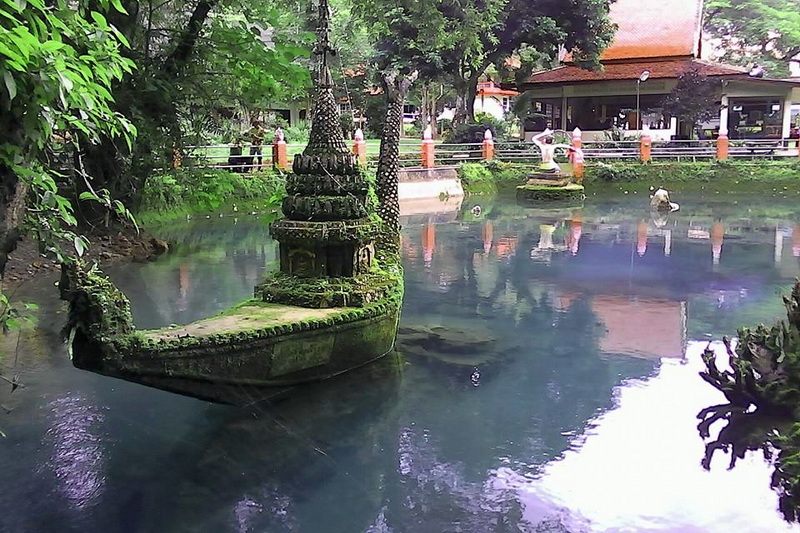
The temple surrounding the cave has roots going back centuries, and the area remains deeply important to local religious life. Wat Tham Chiang Dao was established in the late eighteenth century and was later expanded with stairways, structures, and sacred images by local patrons and revered religious figures. The wider setting is also tied to stories of guardian spirits associated with Chiang Dao mountain, so a visit is often experienced as both sightseeing and quiet pilgrimage. That sacred character is visible before entering the cave itself: shrines, Buddha images, temple architecture, and still water create a calm threshold between the ordinary world and the darkness inside the mountain. This is one reason many visitors describe Chiangdao cave as one of northern Thailand’s most evocative cultural-nature sites rather than simply a stop for casual cave photography.
🪨 The cave layout and what lies inside
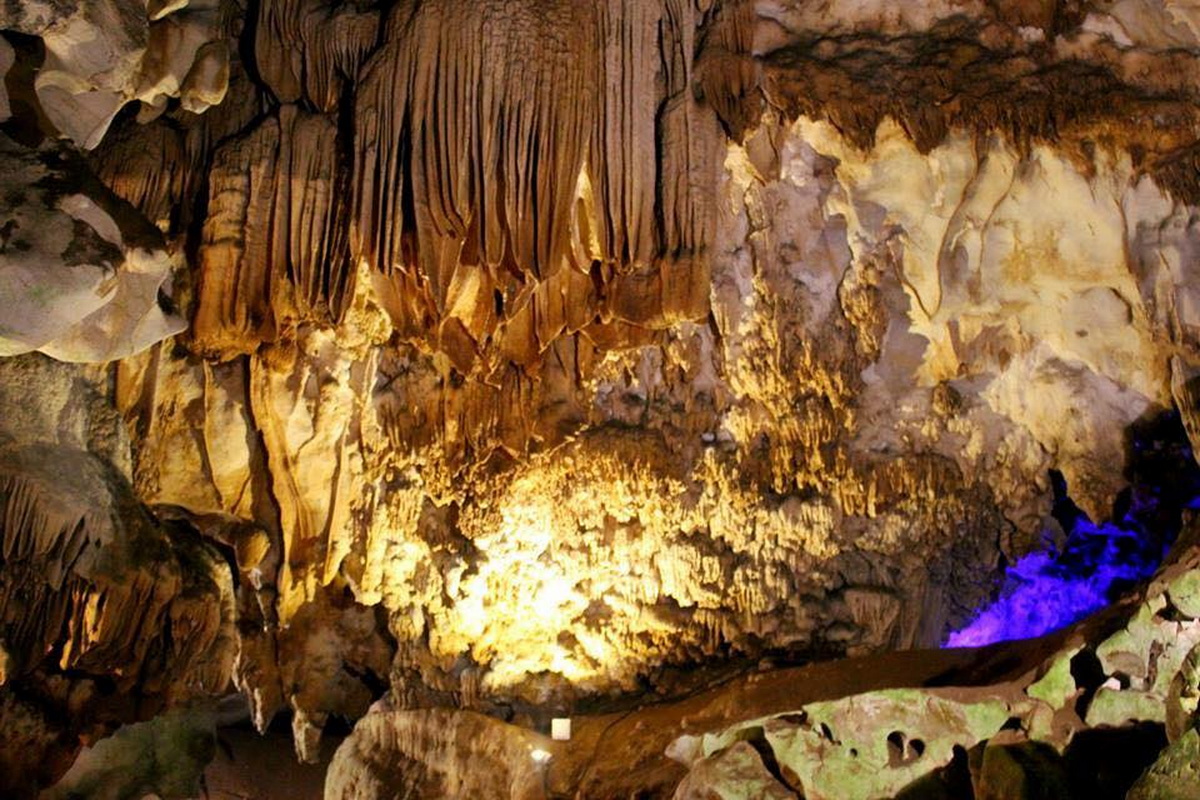
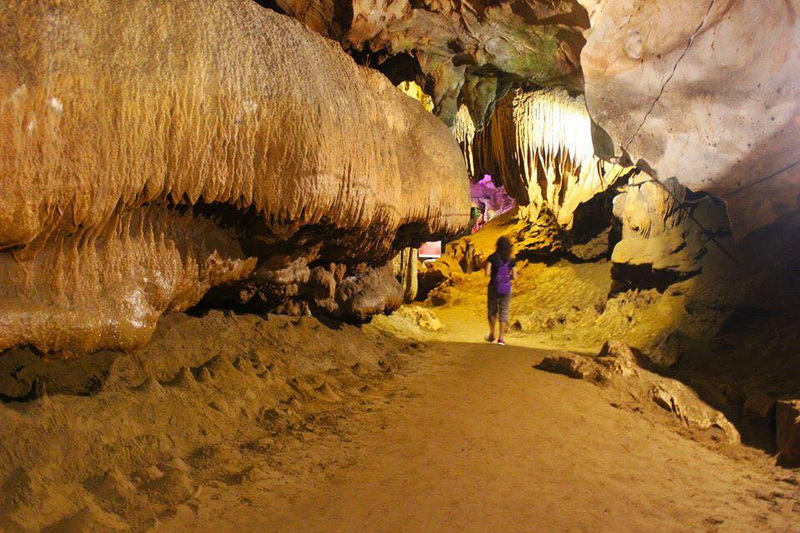
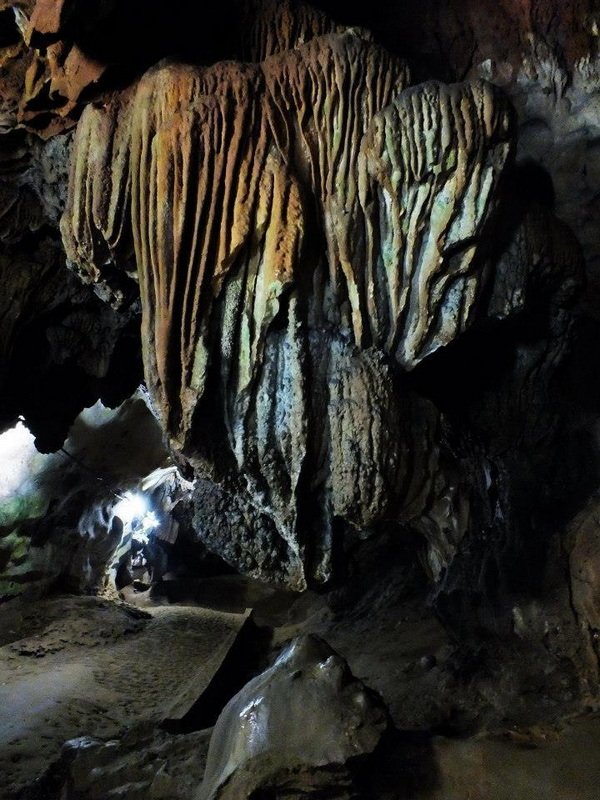
What makes the interior so appealing is the sense of progression from accessible wonder to deeper mystery. The known visitor sections include major chambers such as Tham Phra Non, Tham Nam, Tham Ma, Tham Laplae, and Tham Kaeo, linked as part of a much larger limestone cave system stretching several kilometers in total, though only selected parts are open for general visits. Tham Phra Non is the easiest section for most travelers and is illuminated, allowing people to appreciate the cave without technical difficulty. Deeper passages are darker, more enclosed, and more dependent on local guidance. Throughout the system, visitors encounter stalactites, stalagmites, columns, flowstone, and delicate calcite formations that have formed slowly through mineral-rich dripping water. Some formations are given memorable local names based on their shapes, adding a layer of storytelling to the geological experience.
🔦 Highlights that define the experience
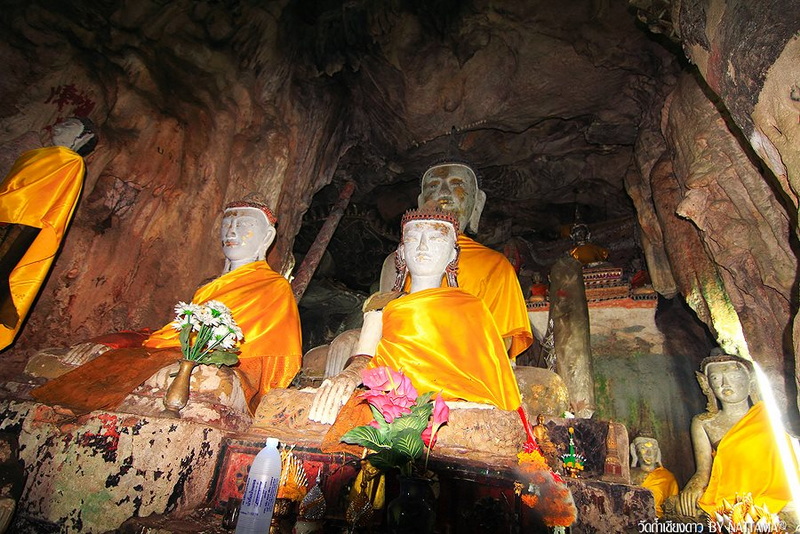
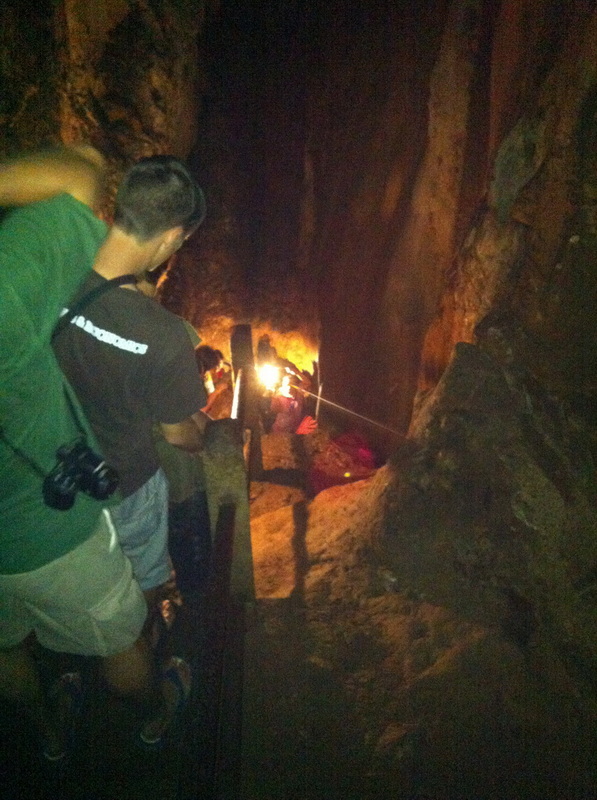
The most famous highlight is the Reclining Buddha chamber, where a sacred image rests inside the cave and transforms the space from a natural chamber into something closer to an underground sanctuary. Beyond that, the lantern-guided routes are what give the destination its stronger adventure appeal. In these darker sections, the cave reveals itself gradually: textured walls glow in warm light, shadows stretch over hanging formations, and every bend feels cinematic. The contrast between lit and unlit sections is part of what makes Chiang Dao Cave so memorable. Outside, the stream flowing from the mountain adds another signature feature. Clear water, fish-filled pools, and the sound of moving water create a fresh, cooling atmosphere around the temple grounds and soften the transition between spiritual calm and dramatic cave exploration. This balance of serenity and mystery is where the destination truly shines.
🚶 Must-do activities for a richer visit
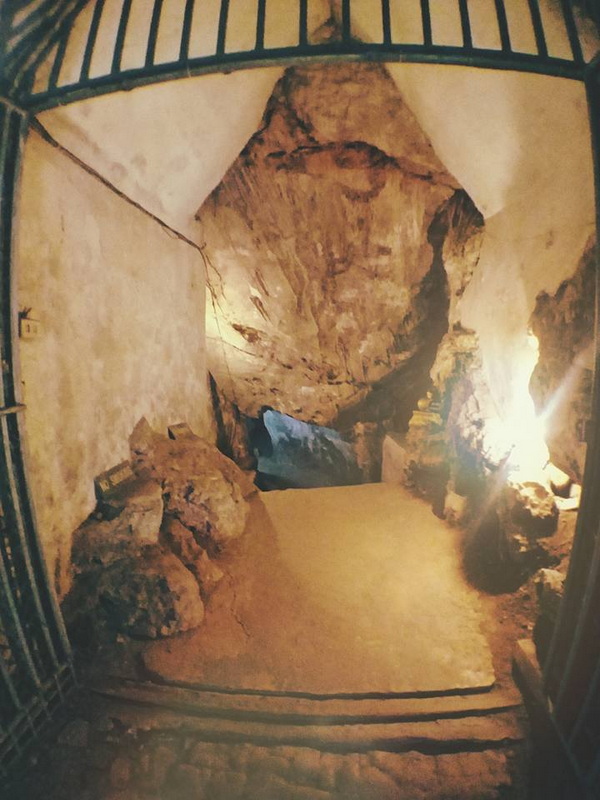
A rewarding visit begins slowly. First, walk through the temple grounds and take in the architectural details, shrines, and shady approach to the cave entrance rather than rushing underground. Then explore the illuminated section to understand the scale and texture of the site before deciding whether to continue into the darker chambers with a local guide. If you choose the guided route, wear shoes with grip and bring a small flashlight even though lantern service is provided, as some surfaces can be uneven or damp. Pause often instead of treating the cave as a quick pass-through. The formations appear different depending on the angle of light, and the atmosphere becomes more immersive when you let your eyes adjust to the darkness. Many visitors pair the excursion with a scenic drive through the countryside, and for those who want comfort and flexibility, a Chiang Mai car rental with driver makes the journey especially smooth.
🎟️ Entrance fees, guiding, and practical details
The site is generally open daily, with the commonly cited visiting window running from morning to late afternoon. The illuminated main cave section is usually the easiest part to access, while the deeper cave areas require a local guide and lantern service. Widely cited prices indicate around 20 THB for Thai visitors and around 40 THB for foreign visitors for the main entrance area, while deeper cave exploration typically costs around 200 THB per group for guiding, lamp fuel, cave maintenance, and the guide fund. Independent entry into the darker sections is not allowed, and that requirement is a strength rather than an inconvenience: local guides make the route safer, point out significant formations, and share stories that most visitors would otherwise miss. For many travelers planning a Chiang Mai day trip, that combination of easy access plus guided adventure makes the site especially appealing.
🏯 Important structures outside the cave
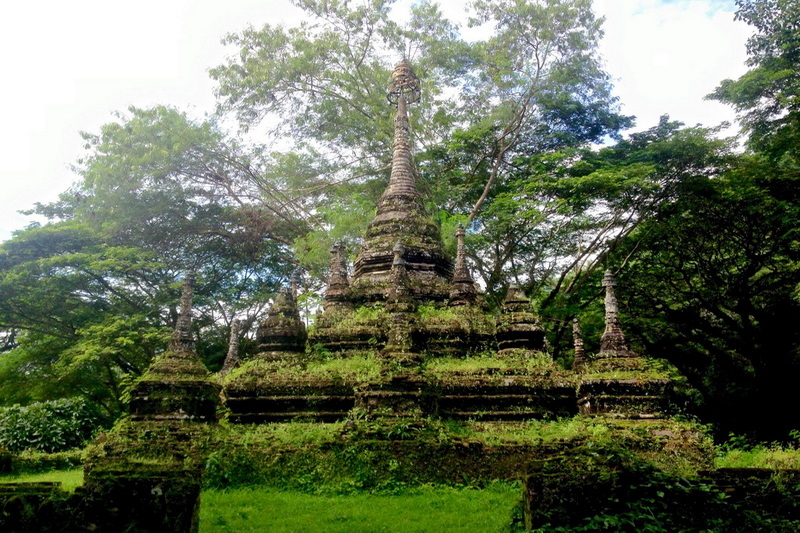
The experience should not end at the cave mouth. One of the most distinctive structures outside is the 25-spire chedi, an eye-catching monument associated with Shan artistic influence and a key visual symbol of the temple grounds. Its elegant clustered form adds architectural richness to the setting and reinforces the idea that this destination is not just a geological attraction but a living cultural landscape. Nearby halls, stairways, shrines, and Buddha images help frame the site as sacred territory, not merely scenic property. The temple environment encourages slower travel: a few extra minutes spent observing the buildings, water features, and devotional spaces often add as much to the experience as the cave chambers themselves. In this sense, Tham Chiang Dao is best understood as an integrated temple-and-cave destination where design, belief, and nature continually support one another.
🌄 Why this destination leaves a lasting impression
What ultimately makes Chiang Dao Cave special is how completely it combines mood, scale, and cultural identity. Some caves impress with raw size, others with colorful lighting, and others with ease of access. This one offers a more layered reward: a sacred temple setting, a stream emerging from the mountain, a dramatic limestone interior, revered religious imagery, and the looming presence of Doi Luang Chiang Dao nearby. The destination feels grounded in the landscape around it rather than separated from it. That is why it appeals to travelers with different interests at once, from photographers and first-time explorers to temple visitors and nature lovers. It also works beautifully as a standalone escape or as part of a wider northern itinerary, because the overall atmosphere remains distinctive long after the visit ends. For many people, Chiang Dao Cave is not simply a place they saw in Chiang Mai Province; it is one they continue to remember vividly.
Nearby Attractions
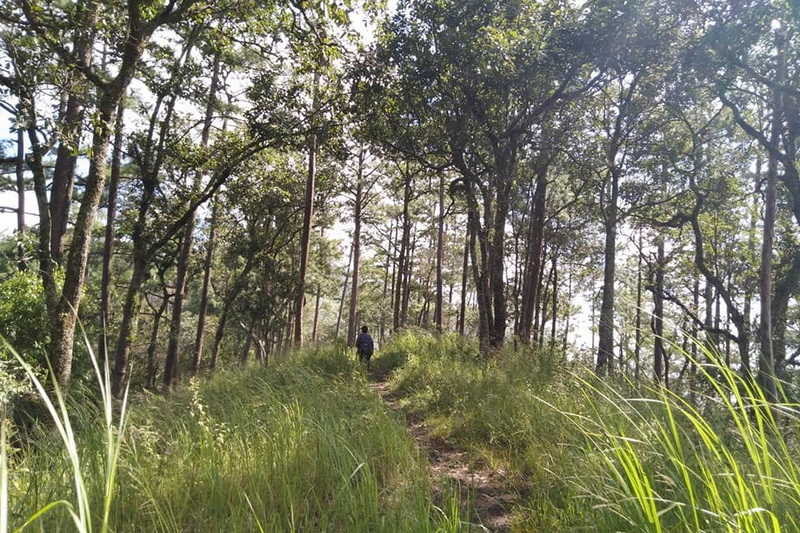
Doi Luang Chiang Dao is one of Thailand’s most celebrated limestone mountains and a defining landmark of the district. Its dramatic ridges, protected natural setting, and trekking reputation make it an excellent companion stop for travelers who want grand scenery after the cave’s enclosed beauty.
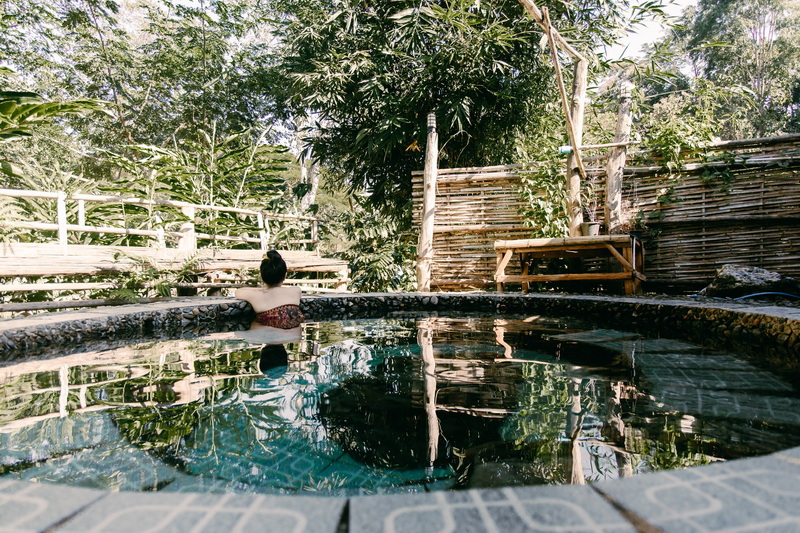
Chiang Dao Hot Springs
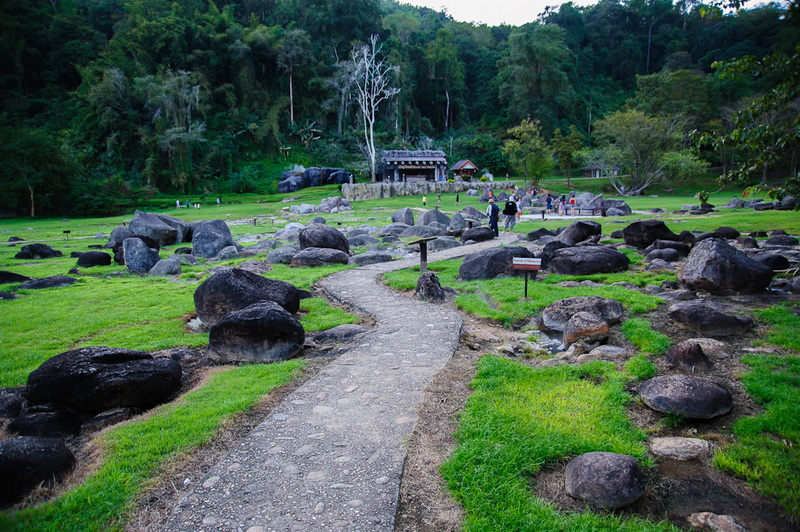
Chiang Dao Hot Springs offers a softer, slower contrast to cave exploration. Warm mineral water, a calm natural setting, and the easy pleasure of soaking or relaxing nearby make it a popular add-on for visitors wanting to end the day with comfort after walking through temple grounds and underground passages.













Leave A Comment